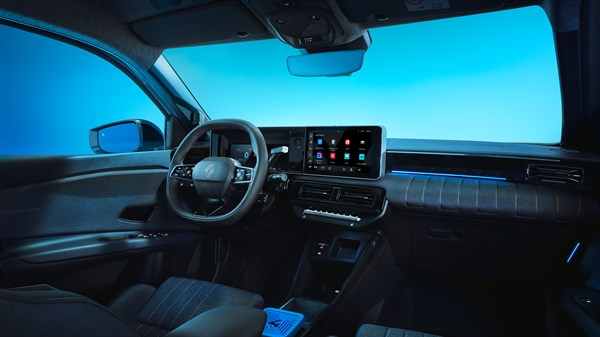
driving range and charging

Renault 4 E-Tech electric
Charge Renault 4 E-Tech electric anywhere. At home: charging station, high-power outlet, or standard outlet, depending on your needs. On the road: a network of public charging stations available throughout Europe. For long trips: fast charging from 15% to 80% in just 30 minutes.

charge Renault 4 at home
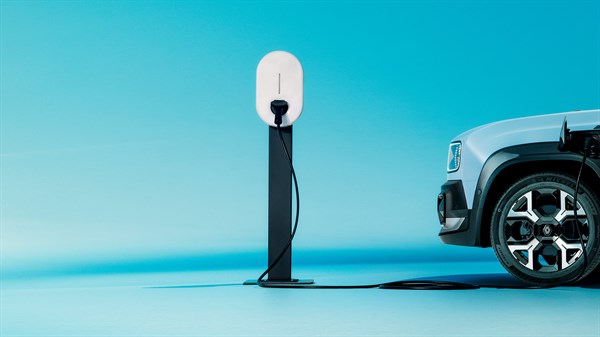
Renault 4 E-Tech 100% électrique
find and order the charging solution that's right for you
Renault supports you every step of the way, from your order to the activation of your standard charging point, installed directly in your single-family home. 
The power output of your charging station adjusts according to your vehicle's needs.
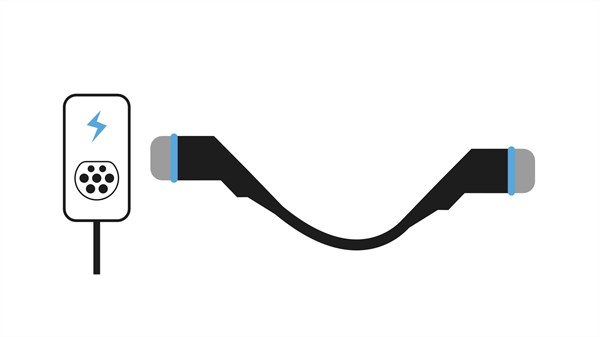
home charging cable
R4
standard cable for a charging point, mode 3 type 2
perfect for everyday use, simply charge Renault 4 using the mode 3 type 2 cable at a 7.4 kW AC (single-phase) charging point, whether at home or at work.
R4
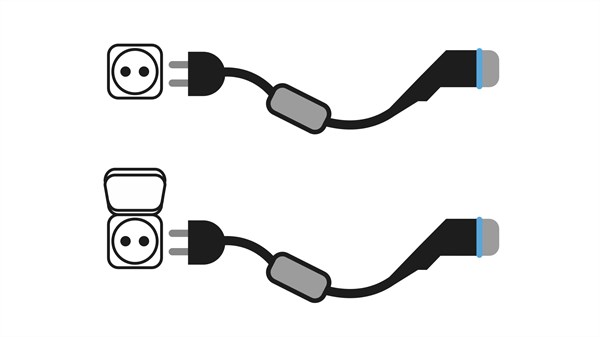
optional cable for charging from a standard or reinforced socket
Ideal for occasional use, charge Renault 4 with the mode 2 flexicharger cable on a standard 16 A domestic socket (2.3 kW) or a reinforced 3.7 kW AC socket.

charge Renault 4 on the road
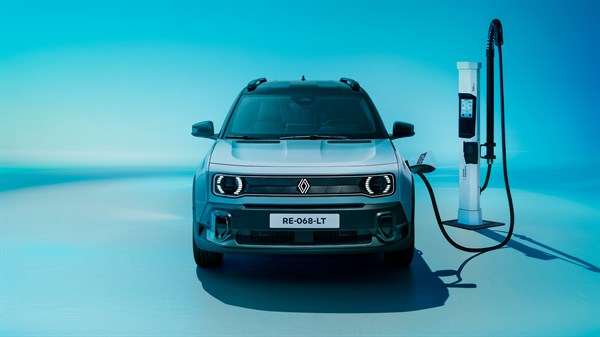
Renault 4 E-Tech 100% électrique
find a charging station anywhere in Europe
Through its compatibility with a vast network of accessible public charging stations, you can easily charge your Renault 4 E-Tech electric vehicle anywhere in Malta and throughout Europe.

With our connected services and the openR link system, you can easily locate available charging stations in real time and view the price, charging power, and plug type.
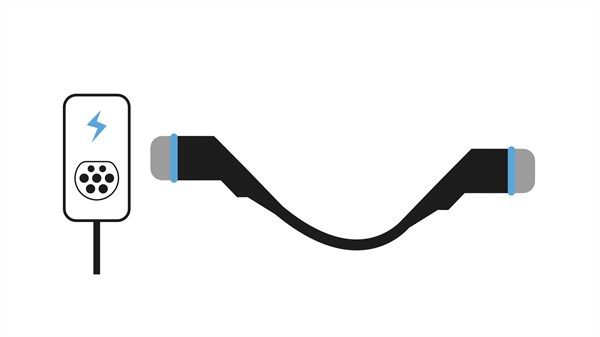
charge cables and on-road charge solutions
r4
standard cable, mode 3, type 2
Ideal for everyday use, charge Renault 4 E-Tech vehicles on the public road: 22 kW AC (three-phase) public charging point with a maximum power output of 11 kW.
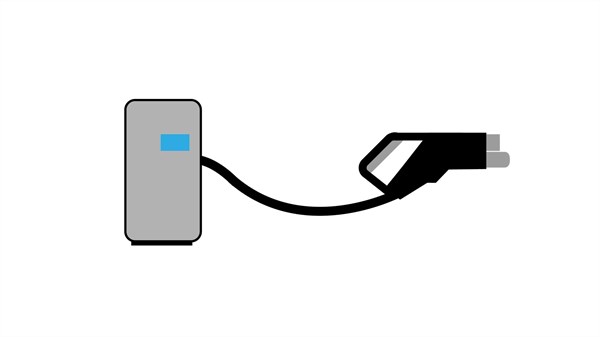
R4
DC charging station, for ultra-fast charging on the motorway
ideal for long motorway journeys that require quick stops, charge your Renault 4 on public DC fast charging points with a tethered cable.
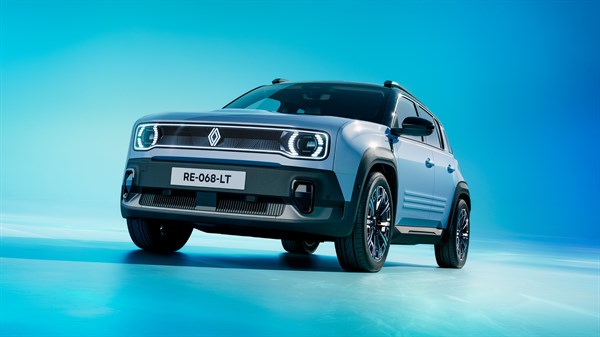
Plug Inn fast charge, the network of ultra-fast charging stations
take advantage of ultra-fast charging stations
Charge Renault 4 very quickly at our Plug Inn fast charge* stations.
Ideal for long vacation trips, weekends, or when you need an immediate charge.Plug Inn fast-charge* stations offer ultra-fast charging stations with power outputs of up to 320 kW. 

* network extension in progress

additional services beyond Renault 4

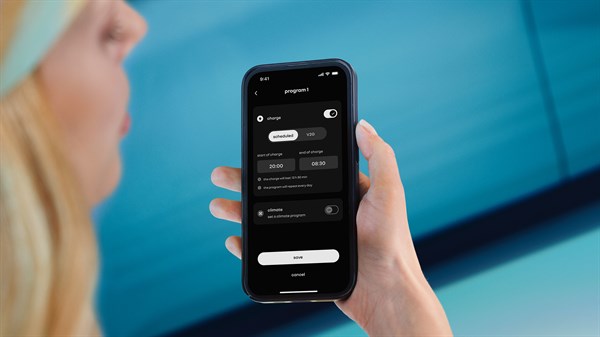
My Renault
keep Renault 4 close at hand with My Renault
The My Renault app lets you control your Renault 4 remotely.
openR link
find charging stations with openR link
Use openR link, Renault 4’s multimedia system to easily find charging stations near you. 
This handy feature helps you plan your trips by quickly identifying available charging stations nearby.
Enjoy a simplified and optimised charge experience for your electric vehicle trips.
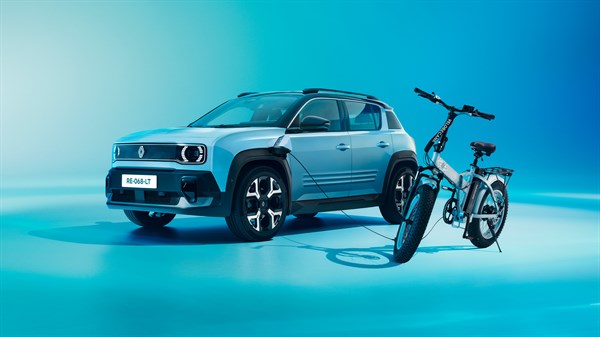
power to object, bidirectional charging V2L
power your electrical devices anywhere
With Power to Object and bidirectional V2L charging, use the battery on your Renault 4 E-Tech electric to power various outdoor devices and equipment, such as an electric bike.
This feature turns your vehicle into a mobile power source, ideal for outdoor activities or emergency power needs.

FAQ

How do you choose an electric car?
Choosing an electric car means, above all, choosing the one that fits your daily needs. To help you make the right choice, here are the main criteria to consider:

Daily mileage and road type
If you mainly make short or city trips, range will be less of a factor. If you regularly drive long distances or on the highway, opt for a longer range, as higher speeds will increase energy consumption.

Your need for space and comfort
How many passengers will you be carrying? Do you need a car with a large boot? Renault offers a wide range of models: city cars, family cars, leisure activity passenger vehicles… to suit every profile.

Your charging solution
Can you install a charging point at home? Do you have access to a charging point at work or near your home?

These elements are essential for choosing between charging at home (AC) or charging at public stations (DC). The more access you have to nearby charge solutions, the more flexible you can be about the vehicle's driving range.     
What are the benefits of driving an electric car?
Switching to electric means enjoying a new way of driving that’s both more enjoyable and more economical for everyday use.

Comfort and driving pleasure
Electric cars offer a quiet ride, free of vibrations and odours, with immediate and smooth acceleration. With the automatic gearbox and the one-pedal function*, driving becomes simpler and calmer, especially in towns. The driving experience is enhanced by the absence of gear shifts and the engine's smooth operation.

Cost savings over time
Maintenance is reduced (fewer wear parts), electricity costs are lower than fuel costs, and you may be eligible for government subsidies. In some cities, parking may even be free or at a reduced rate.

New uses and innovative services
With V2L (Vehicle-to-Load) and V2G (Vehicle-to-Grid) technologies, your car can power electrical appliances or even help reduce demand on the power grid, which can help you save even more on your electricity bill.

Safety and peace of mind
To ensure pedestrian safety, an audible warning signal sounds automatically at low speeds. This way, everyone benefits from safer driving.In short, selecting electric means opting for modern mobility that is simpler, more economical, and geared towards new uses.
Where can I charge an electric vehicle?
You can charge your electric vehicle wherever you need to:

At home
Plug your vehicle into a standard or reinforced domestic socket, or install a Wallbox for faster, safer charging.
Renault helps you with the installation at home. You can order your solution directly when you purchase your Renault at a dealership.
At work
More and more companies are providing charging stations for their employees. Check with your employer.

On the road
Access a wide network of public charging points: there are two types of charge.
  • AC (alternating current) charging: ideal for extended stops (car parks, shopping centres).
  • DC (direct current, or “fast” ) charging: perfect for quickly restoring range during a long trip.
Save time with the rapid charging points located on main roads.

Abroad
Public charging stations are available in most European countries. Check that your card or app is compatible before you leave. Your Plug Inn charge pass charge card, provided free on delivery, gives you access to a wide European network.

Helpful tip:
Use the in-vehicle route planner to:
  • Find the nearest charging station.
  • Check availability and price
  • Pay easily at most public charging stations (more than 1 million in Europe)

    How long does it take to charge an electric vehicle?
    A vehicle’s charging time depends on:
    • The vehicle itself, its battery capacity and the power of the built-in charger.
    • External factors, such as charging point or socket power and the intensity accepted by the power supply cable. 
    Good to know : Charging time is not linear; it varies depending on the battery's charge level and temperature. For example, the final 20% will take longer to charge. That is why it is recommended to charge before the battery level drops below 15% and to avoid charging to more than 80% on a daily basis or at a fast-charging station.

    How much does it cost to charge an electric car?
    The price for charging an electric vehicle varies between vehicles, home and charging points and depends on the cost of electricity.

    To work it out, you therefore need to know:
    Where will it be charged? The cost of electricity at home and the cost in public places are not the same.
    When will it be charged? Electricity for home use is cheaper during off-peak hours than during peak hours.
    Which home electricity provider is associated with the selected charging station, and which plan applies to it? Once again, prices vary.
    What model of car do you want to charge? A full charge depends on the battery’s capacity in the same way as a full tank of petrol depends on the capacity of its tank. 
    How do I install a home charging station, whether in a house or an apartment?
    There are several ways to charge your electric vehicle:
    Installing a home charging station:

    1. At home
    Renault helps you with your project to install home charging solutions. Order your home charging solutions at the dealership when you purchase your new all-electric Renault E-Tech.

    2. In an apartment building

    In a private car park: If you have a designated parking space in your building, you may want to consider installing a charging station. By notifying the property manager. Or, if your apartment building committee has selected an operator to install and manage the charging stations following a decision at a general meeting, all you need to do is contact the operator to have your charging station installed.

    Charging at public stations: Public charging stations are becoming increasingly common in cities, often located on streets near residential areas. These charging stations can be accessed using a subscription card, such as a mobile app. 
    How do you charge an electric car at home?
    Like most electrical appliances that you have at home, an electric car charges on the mains via a cable. This cable, which is supplied with the car, can therefore be plugged into a home charging point or a public charging point. You can charge at an electric socket using a cable available as an option.

    Technical info:
    • a home charging station (or a reinforced socket)
    • cables adapted and known as ”Type 2” or Flexicharger (for use with a reinforced domestic socket).

    Practical tips:
    • we advise you to charge your vehicle up to 80% every day to optimise the charging time and improve the battery’s life. Only plan charging to 100% before a long journey to ensure maximum driving range on the road.
    • Travel with greater peace of mind using your Plug Inn charge pass charge card. It gives you access to the best charging network in Europe.

    What about V2G (Vehicle-to-Grid)?
    With a bidirectional charger, your car can feed electricity back into the grid.

    Benefits:
    • Lower your bill by selling back the stored energy.
    • Contribute to the stability of the power grid.
    need further information?

    Equipment shown varies depending on version and/or options.

    1 access to the “power V2G” bidirectional charging service is subject to meeting the eligibility requirements.

    2 green electricity, certified as needed by a guarantee of origin for an amount equivalent to consumption.​